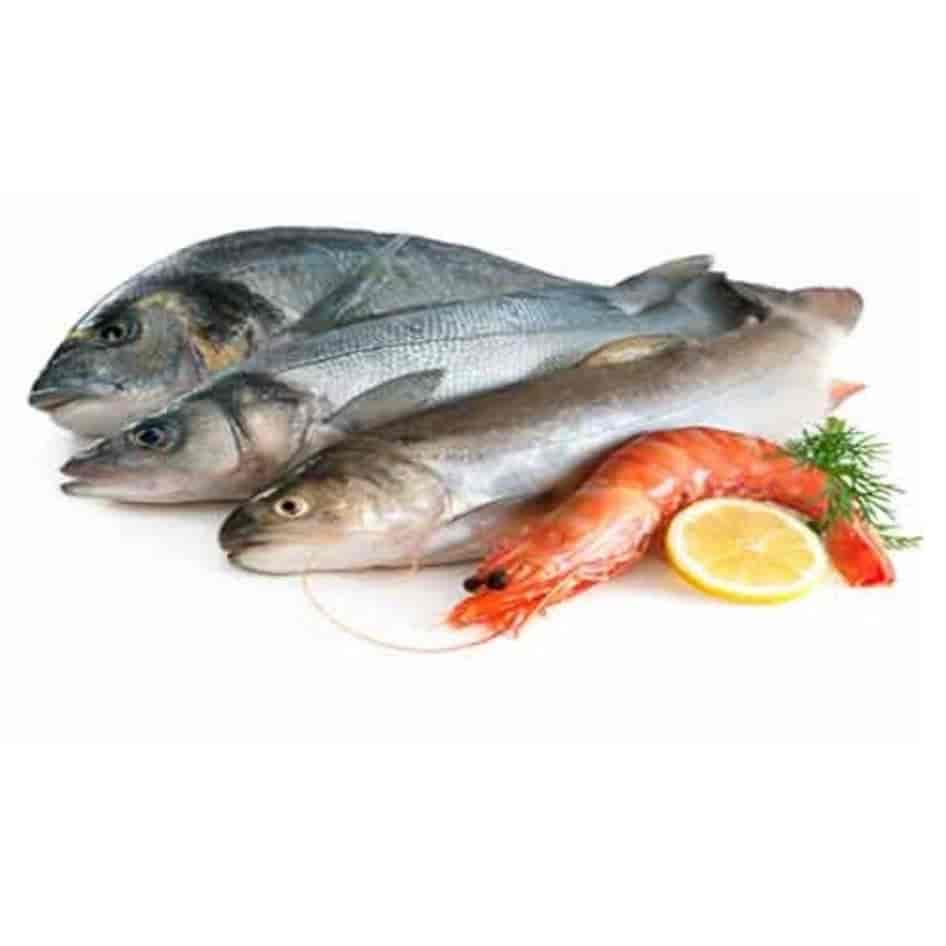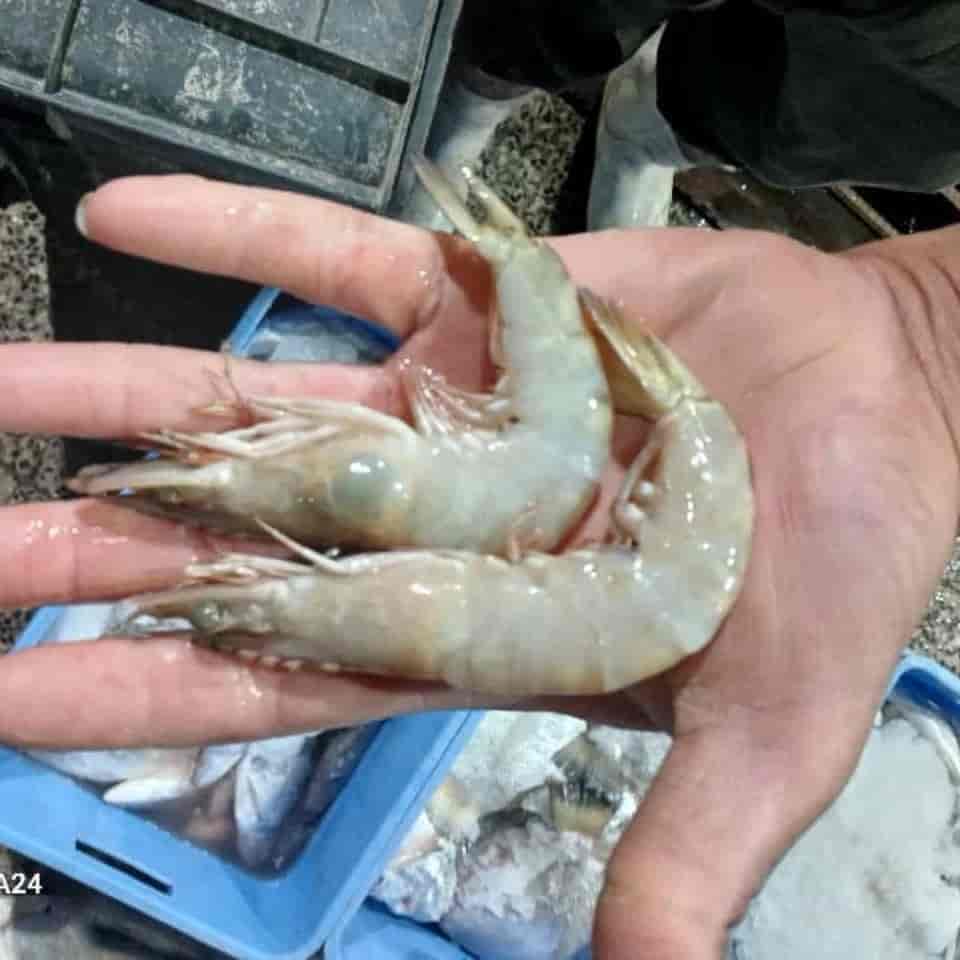
Aquatic market is one of the important parts of food trade, and farmed fish have a special place in domestic and export trades due to the possibility of continuous production, control of breeding conditions and supply of specific volume. Today, many major buyers, trading companies, sellers of marine products and exporters are looking for the supply of high-quality fish at a competitive price.
But how is the purchase and sale price of farmed fish for export determined? Is the price of fresh fish different from the frozen product? Which breeds are more suitable for export?
The answer to these questions depends on factors such as species, fish weight, meat quality, rearing conditions, packaging and destination country. In this article, we examine the market of buying and selling farmed fish for export from a commercial point of view, so that buyers and sellers can make more reliable transactions by knowing the market better.
How is the purchase and sale price of farmed fish for export determined?
The price of farmed fish for export does not have a fixed and uniform rate. Each shipment is priced according to product features and transaction terms. For example, fish of uniform weight, healthy appearance, and desirable quality are usually more attractive to wholesale buyers.
The most important factors affecting the price are:
- Type of fish: Trout, carp, seabass and other farmed species have different market and commercial value.
- Weight and size: The weight required by the buyer and the uniformity of the size of the fish affect the final price.
- Freshness and quality: Appearance health, meat texture, natural smell and storage conditions are very important.
- Type of supply: Fish Live, fresh, cleaned, filleted and frozen have different prices.
- Order size: Buying high tonnage may have different price conditions than small orders.
- Transportation cost: The distance from the farm to the processing center, cold storage and final destination is effective in calculating the cost.
So, to know the real price, the detailed product specifications and delivery conditions should be checked. Price comparison without considering these things may cause wrong choice and increase purchase costs.
Which farmed fish are more suitable for export?
Choosing the right species is one of the most important steps in the aquatic export market. Not all farmed fish are necessarily suitable for all foreign markets. Consumer taste, food consumption pattern, processing facilities and import standards of the destination country play a role in product selection.
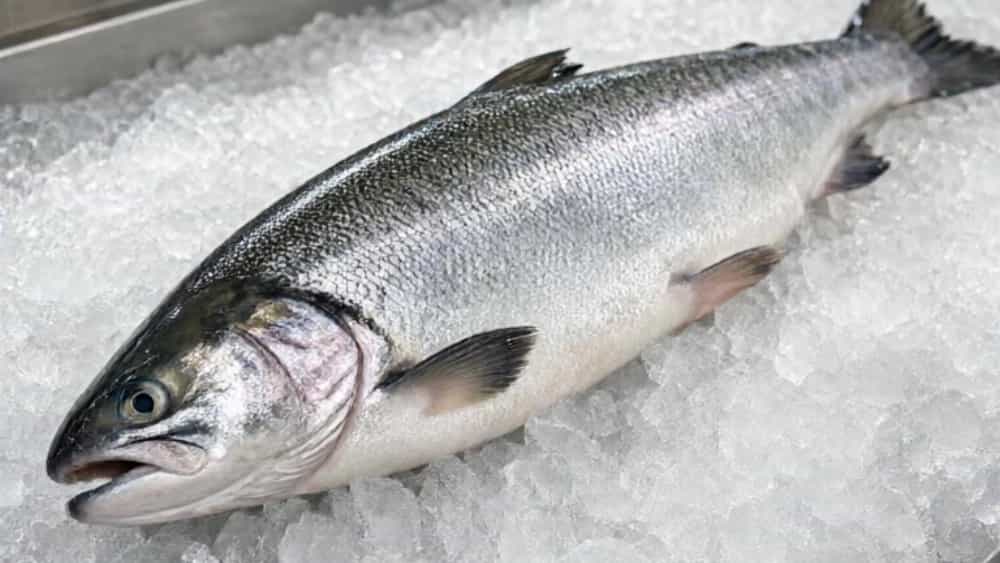
Farmed salmon
Trout is one of the most well-known farmed products in Iran. This fish is in demand in different markets due to its tasty meat, the ability to be offered in fresh and frozen form, and the possibility of processing it into fillets.
Trout for export must have suitable conditions in terms of weight, appearance, health and meat quality. The uniformity of the size of the fish is also important for packaging and bulk supply.
Farmed carp
Caper is one of the widely used cultivated species in many regional and Asian markets. This fish is important for major transactions due to the ability to breed in different systems and the possibility of providing the right volume.
In buying and selling exported carp, the weight, exact species, fat content, appearance health and the taste of the destination market should be checked.
Farmed seabass fish
Seabass is one of the valuable species in the aquatic market, which attracts the attention of buyers due to the favorable texture of the meat and the ability to supply it in high-quality markets.
This fish can be a suitable option for export markets if it has the right quality, standard size and basic packaging.
Other breeding species
Depending on breeding facilities and market demand, other species can also be present in export transactions. Before choosing any type, the amount of demand, production cost, the possibility of continuous supply and the import requirements of the destination country should be checked.
The difference in the price of fresh, frozen and processed fish for export
One of the important points in determining the price of buying and selling farmed fish for export is the form of product supply. Fresh, frozen and processed fish each have different production, storage and packaging costs.
Fresh fish: This product is suitable for quick delivery to the destination market and requires cold transportation and precise timing. It is very important to maintain the cold chain in all stages.
Frozen fish: Basic freezing allows for longer storage and transportation over longer distances. Of course, the quality of freezing, the storage temperature and the type of packaging have an effect on the value of the product.
Cleaned and filleted fish: These products are more expensive due to the preparation and processing steps. Instead, they create added value for many buyers and food supply chains.
As a result, when comparing prices, the type of product, net weight, amount of processing loss and packaging cost should also be considered.
Investigating the wholesale market of farmed fish for export
The wholesale purchase of farmed fish is very important for distribution companies, processing centers, wholesalers and exporters. This group of buyers is usually looking for a supplier who can deliver the product with consistent quality and in the required volume.
In major transactions, only the cheapness of the product is not a good criterion. If the fish is not uniform in size or loses its quality during transportation, the side costs of the transaction will increase.
For better shopping, check out the following:
- Determine the exact specifications of the fish species and weight.
- Get information about the daily or weekly supply capacity of the seller.
- Check the product quality and storage conditions.
- Evaluate the product sample before placing a bulk order.
- Calculate the cost of packaging, shipping and delivery separately.
- Specify the payment terms and delivery time in the contract.
If you intend to buy high tonnage, it is better to confirm a sample of the shipment in terms of quality and technical specifications before finalizing the order.
sale of farmed fish for export; How to find a major customer?
Successful sale of farmed fish for export depends on the knowledge of the target market and the ability to provide high-quality products. Growers and suppliers can create more sales opportunities by cooperating with trading companies, packing centers and bulk buyers.
In order to increase sales success, product specifications should be prepared accurately. Information such as fish species, average weight, available volume, packaging type, fresh or frozen status, and delivery location should be clear to the buyer.
On the other hand, providing real images of the product, the possibility of sending samples and announcing continuous supply conditions can increase the trust of buyers.
If you are a producer or supplier of farmed fish, prepare the product specifications, available volume and delivery city right now so that it is possible to check the terms of cooperation and wholesale sales.
The most important export cultured fish standards
One of the main differences between domestic and export sales is greater sensitivity to product quality, health and documentation. Exported fish must comply with health requirements and import regulations of the destination country.
Some important items are:
- Product health and absence of signs of corruption
- Observance of hygiene principles in harvesting and processing
- Control of storage and transportation temperature
- Using appropriate food packaging
- Inserting correct information on the product label
- Obtaining health certificates and required destination documents
To learn about the technical and sanitary requirements of aquatic trade, it is recommended to read the guide of the World Health Organization and FAO about fishery products.
Also, the codex procedure for fish and fishery products is a suitable reference for examining the principles of harvesting, processing, storage and transportation of marine products.
What is the effect of packaging and transportation on the price of export fish?
The right packaging is not only for the beauty of the product; Rather, it plays an important role in maintaining quality and reducing possible damages. The packaging should be chosen according to the type of fish, storage conditions and transportation method.
For fresh fish, hygiene boxes and proper cooling methods are usually used. In frozen products, the packaging must protect the product from contamination, physical damage and inappropriate temperature changes.
Transportation is another factor that determines the final price. For example, shipping fresh fish to a nearby destination does not cost the same as exporting frozen fish to a distant market.
In this context, temperature control is necessary at all stages of the supply chain. According to the Codex guide, management of storage time and temperature is one of the important principles to prevent the quality of fishery products from deteriorating.
To which markets is it possible to export Iran's farmed fish?
The export target market should be selected based on the type of fish, demand, transportation cost, trade tariffs and import regulations.
The markets of neighboring countries can be suitable options for some cultivated products due to their geographical proximity. However, the choice of destination is not based solely on distance, and the actual import conditions and purchasing power of customers should also be checked.
In evaluating export markets, it is better to pay attention to these items:
- The amount of consumer demand for the desired species
- The price of similar products in the destination market
- Health standards and required documents
- Customs and transportation costs
- The possibility of continuous supply and competition with other suppliers
For example, one market may be suitable for frozen salmon, but another market prefers fresh or filleted fish. Therefore, before sending the shipment, the order and specifications required by the buyer must be finalized.
How to inquire the daily price of farmed fish for export?
To get an accurate price, it is better to provide the order information in full to the seller or supplier. A general inquiry without specifying the type and weight usually does not lead to a comparable price.
To calculate the purchase and sale price of farmed fish for export, the following information is necessary:
Order details | Required information |
|---|---|
Type of fish | trout, carp, seabass and Other |
Weight | Weight of each piece or weight range |
Form of supply | Live, fresh, cleaned or Frozen |
Destination | Delivery city or country |
Delivery time | Date or time frame desired |
By knowing this information, the seller can offer a more accurate price and the buyer will be able to compare different offers.
In order to receive a price proposal tailored to your order, specify the type of fish, weight, tonnage and delivery destination and request a pre-invoice from the supplier.
What factors increase the profit of selling farmed fish for export?
Profitability in the fish export market does not depend only on the difference in purchase and sale prices. Cost management and waste reduction also play an important role in the final result.
The most important ways to improve profitability are:
- Purchasing directly from reputable fish farms
- Choosing the species according to the demand of the destination market
- Quality control before product delivery
- Reducing product stoppage time on the supply route
- Using suitable and standard packaging
- Detailed planning for transportation
- Conducting transparent contracts with major buyers
Also, selling value-added products, such as fillets or cleaned fish, can create more business opportunities; Of course, the cost of processing and weight loss should be included in the calculations.
summary; Safe buying and selling of farmed fish for export
The export farmed fish market has provided various opportunities for breeders, suppliers, wholesalers and trading companies. However, success in this market depends on knowing the high-demand species, checking the product quality, knowing the export conditions, and accurately calculating the costs.
The price of buying and selling farmed fish for export changes under the influence of factors such as weight, species, freshness, type of processing, packaging and delivery destination. For this reason, it is not possible to announce a fixed price for all products and orders.
If you intend to buy in bulk or sell for export, choosing a reliable supplier and receiving a pre-invoice based on the actual specifications of the order is the best starting point.
To inquire about the price and check the terms of cooperation, contact the sales unit of the collection right now. State the type of fish, the amount of the order and the delivery destination to receive a more suitable offer for buying or selling.

تماس با مدیریت
ماهی پرورشی صادراتی